Introduction
As electric vehicles (EVs) become more common, drivers are learning how environmental conditions affect performance. Cold weather in particular has a measurable impact on EV charging speed, battery range, and overall efficiency. Understanding why this happens and how to reduce the effects can help drivers plan trips, extend battery life, and optimize charging sessions.
How Cold Affects EV Batteries: The Basics
Most modern EVs use lithium-ion batteries. Battery chemistry and internal resistance change with temperature. In cold conditions, chemical reactions slow down and the electrolyte becomes less conductive, which raises internal resistance. The result is lower usable capacity, reduced power output, and altered charging behavior.
Key battery behaviors in cold temperatures
- Increased internal resistance: Limits current flow, reducing charging speed and power delivery.
- Reduced chemical reaction rates: Lowers effective capacity and slows battery warming during charging or discharge.
- State of charge (SoC) inaccuracies: Cold can make SoC readings less precise until the battery temperature stabilizes.
Cold Weather and Charging Speed
Charging speed is a function of how fast a battery can accept current. In cold weather, acceptance rate typically decreases to protect the battery and avoid damaging Li-ion cells.
Why DC fast charging slows down
During DC fast charging, EVs often reduce the charging rate when battery temperature is low. This is a deliberate protective measure by the battery management system (BMS). Rapid charging at low temperatures can cause lithium plating, which permanently reduces battery capacity and increases safety risks. As a result, many vehicles limit charging power until the battery warms up.
AC charging is also affected
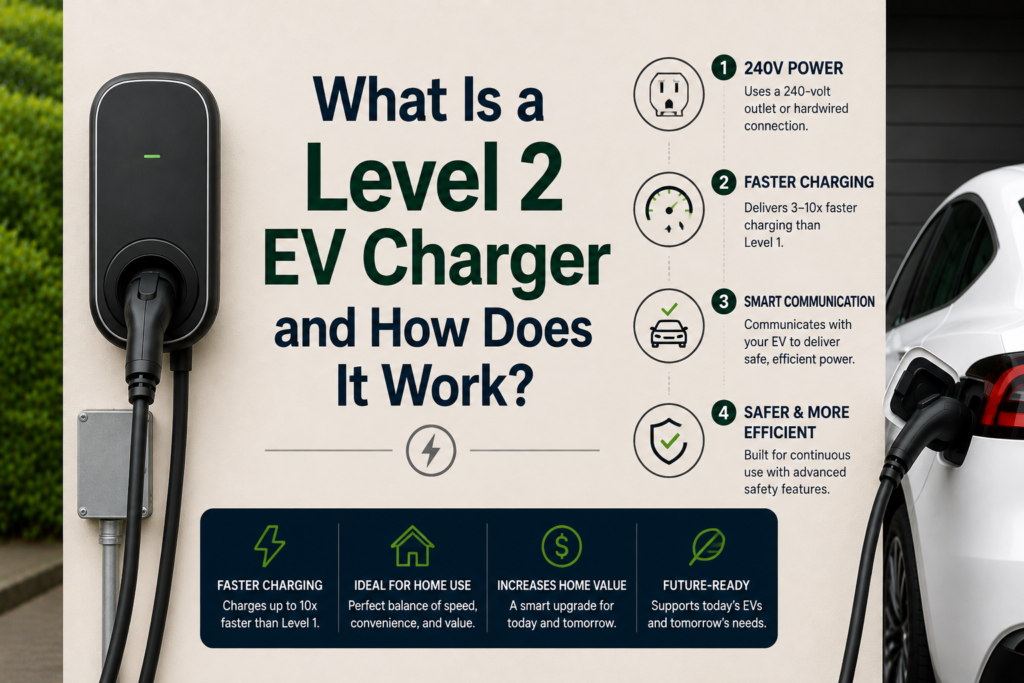
Even standard Level 2 (AC) charging is slower when cold. The charger and BMS may reduce current or extend the time needed to reach a desired SoC. However, because AC charging rates are lower to begin with, the proportional slowdown may be less dramatic than with DC fast charging.
Cold Weather and Battery Range
Reduced range is one of the most noticeable winter issues for EV drivers. On average, EV range can drop between 10% and 40% depending on temperature, driving style, and auxiliary loads like cabin heating.
Main causes of range reduction
- Lower usable battery capacity: Cold reduces the amount of energy available to the vehicle.
- Heater and accessory load: Electric heating systems (cabin heater, seat heaters, defrosters) draw power directly from the battery, which can significantly reduce range.
- Increased aerodynamic drag and rolling resistance: Cold air is denser; tires may have higher rolling resistance when underinflated or using winter tires.
Real-world variation
The exact range impact depends on multiple factors: battery size, thermal management systems, driving speed, route (hills vs flat), and use of climate control. Vehicles with active thermal management (liquid heating/cooling) typically maintain better range in cold conditions than those without.
Cold Weather and Efficiency
Efficiency (energy consumed per mile) worsens in cold weather. Because both drivetrain losses and accessory loads increase, an EV will consume more kWh per mile.
Factors reducing efficiency
- Battery inefficiency: Energy lost as heat internally is higher when the battery is cold.
- Heating loads: Cabin heating systems can add a sizable energy penalty compared with internal combustion engine waste heat.
- Regenerative braking limitations: Cold batteries may accept less regenerative braking power, reducing energy recuperation.
Practical Strategies to Reduce Cold Weather Impact
While cold weather effects are inevitable, drivers can adopt practices to minimize range loss and slow charging penalties.
Preconditioning and thermal management
- Preheat the battery and cabin: Use scheduled preconditioning while the vehicle is plugged in to warm the battery and cabin before driving. This preserves range and allows faster charging.
- Use battery thermal management settings: Some EVs let you enable or optimize battery heating to improve charging acceptance during winter.
Charging and route planning
- Plug in whenever possible: Keeping the vehicle plugged in maintains battery temperature via the BMS and avoids cold SoC losses.
- Prefer slower charging overnight: When temperatures are very low, using Level 2 charging overnight allows the battery to warm and accept charge more efficiently than attempting multiple cold DC fast charges.
- Plan charging stops: Accept that DC fast charging sessions may be longer and route accordingly.
Driving and vehicle setup
- Limit use of cabin heaters: Use heated seats and steering wheel where available to reduce cabin heating load.
- Drive smoothly: Moderate speeds and gentle acceleration reduce power draw and maximize regenerative braking benefits.
- Check tire pressure: Properly inflated winter tires reduce rolling resistance and improve efficiency.
Conclusion
Cold weather has a clear, measurable impact on EV charging speed, battery range, and efficiency due to changes in battery chemistry, increased internal resistance, and higher accessory loads. However, modern vehicles increasingly include thermal management systems and software strategies to mitigate those impacts. By preconditioning, keeping the vehicle plugged in, planning charging stops, and adopting winter driving best practices, EV drivers can minimize the adverse effects of cold weather and maintain reliable performance.
Understanding how temperature affects your EV lets you make smarter choices—conserving range, protecting battery health, and ensuring efficient charging throughout the winter months.